
The Perfect Daily Dog Care Routine: A Simple Morning-to-Night Schedule
 admin
Having a dog is one of the most rewarding experiences in life. They greet you like you've been gone for years, even if you only stepped outside for five minutes. They somehow know when you're feeling down, turn ordinary moments into something fun, and make your home feel a little more alive.
But behind all those adorable moments is a responsibility that shouldn't be taken lightly. Dogs depend on us for their food, exercise, comfort, hygiene, safety, and emotional well-being. And honestly, caring for a dog doesn't have to feel overwhelming when you have a simple routine to follow.
A consistent daily dog care routine can help your dog feel secure, stay physically active, develop good habits, and enjoy a healthier lifestyle. You don't need to spend every waking hour entertaining your furry friend. What matters most is providing the right balance of activity, rest, attention, and care.
Whether you're a first-time dog owner or simply trying to improve your existing routine, this guide will help you create a practical schedule that works for both you and your dog.
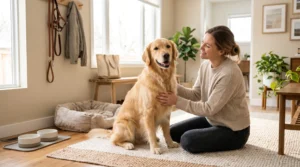
Why Your Dog Needs a Daily Routine
Dogs love predictability. They may get excited about spontaneous adventures, but having a general idea of when they'll eat, walk, play, and rest can make their everyday life more comfortable.
A consistent routine can help with:
- Reducing stress and uncertainty
- Improving toilet-training habits
- Supporting healthy eating habits
- Providing regular exercise
- Preventing boredom and unwanted behaviors
- Building trust between you and your dog
- Making it easier to notice changes in health or behavior
Think of your dog's routine as a flexible framework rather than a strict timetable. Some days you'll take a longer walk, while other days the weather or your schedule may require indoor activities. That's completely fine.
The goal is to create a lifestyle your dog can depend on without making your life unnecessarily complicated.
1. Start the Morning With a Potty Break
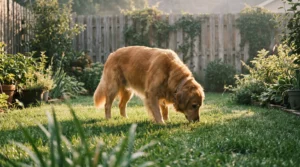
When your dog wakes up, the first thing on your morning checklist should be a bathroom break.
After spending several hours sleeping, most dogs need an opportunity to relieve themselves. Puppies, senior dogs, and dogs with certain medical conditions may need more frequent bathroom breaks than healthy adult dogs.
Take your dog outside to a familiar toilet area if possible. Give them enough time to sniff around and do their business without rushing them.
If your dog is still learning where to go, try taking them to the same location every morning. Use a consistent verbal cue, such as "go potty," and offer gentle praise when they finish.
Avoid turning the first few minutes of the day into a stressful experience. Your dog has just woken up, and a calm start can help set the tone for the rest of the day.
If you live in an apartment, establish a reliable outdoor bathroom routine or an appropriate indoor toilet arrangement if necessary.
2. Go for a Morning Walk
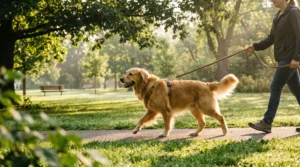
Once your dog has had a bathroom break, it's time to get moving.
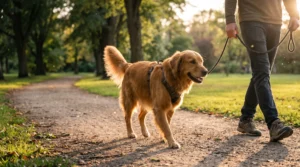
Morning walks provide more than just physical exercise. They allow dogs to explore their surroundings, smell interesting things, observe the world, and release some of their energy.
A walk doesn't need to be a race around the neighborhood. In fact, allowing your dog to sniff trees, grass, and other safe areas can make the walk more mentally stimulating.
How long should a morning walk be?
There isn't one perfect walking duration for every dog.
A young, energetic dog may enjoy a longer walk, while a small breed, senior dog, or dog recovering from an illness may need a shorter and slower outing.
Consider your dog's:
- Age
- Breed and energy level
- Fitness
- Health conditions
- Weather conditions
- Individual preferences
Start with a comfortable duration and adjust according to how your dog responds.
During hot weather, walk during cooler hours and avoid hot pavement that could burn your dog's paws. Carry water when necessary, especially during longer outings.
A happy walk should leave your dog pleasantly stimulated, not exhausted or struggling to keep up.
3. Serve a Nutritious Breakfast
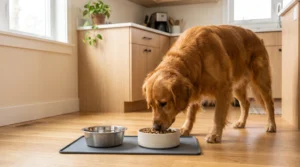
After the morning walk, give your dog breakfast according to their feeding schedule.
Dogs generally do better when their meals are served at consistent times. A predictable feeding routine can make it easier to monitor their appetite and maintain healthy eating habits.
Use a complete and balanced dog food appropriate for your dog's age, size, and health needs. Puppies usually require more frequent meals than adult dogs, while some senior dogs may benefit from adjustments recommended by their veterinarian.
Tips for a healthy breakfast routine
- Measure your dog's food instead of guessing portions.
- Follow feeding guidance on the food packaging and adjust with your veterinarian's advice.
- Avoid giving excessive treats before meals.
- Keep the feeding area clean.
- Allow your dog to eat somewhere peaceful.
- Observe whether your dog is eating normally.
Some dogs finish their meals in seconds, while others take their sweet time. There's no need to pressure a healthy dog who eats comfortably at their own pace, unless a veterinarian has advised a specific feeding arrangement.
If your dog suddenly refuses food, develops vomiting or diarrhea, or shows other concerning symptoms, don't assume it's simply a change in routine.
4. Make Fresh Water Available Throughout the Day
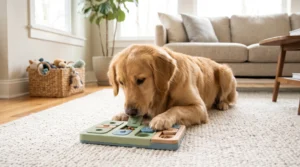
Hydration is one of the simplest yet most important parts of dog care.
Your dog should have access to clean, fresh water throughout the day. Don't wait until their scheduled meal to offer water. Dogs need to drink whenever they're thirsty, particularly after exercise, during warm weather, and after eating dry food.
Make it a habit to:
- Refill the water bowl in the morning.
- Wash the bowl regularly.
- Check the water level throughout the day.
- Carry water during outdoor adventures.
- Place water bowls somewhere easily accessible.
If your dog spends time in different rooms or outdoors, consider providing additional water stations.
Changes in drinking habits can sometimes indicate health problems. If your dog starts drinking significantly more or less than usual, contact your veterinarian for guidance.
5. Schedule a Little Playtime and Training
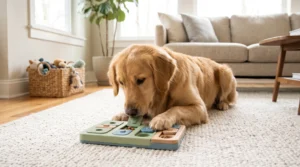
After breakfast and a short period of relaxation, dedicate some time to play and training.
Dogs need mental stimulation just as much as they need physical exercise. Without enough opportunities to use their brains, some dogs may become bored and start chewing furniture, barking excessively, digging, or finding their own entertainment.
And let's be honest, your dog's idea of entertainment might involve destroying the one shoe you actually like.
Fortunately, you don't need expensive toys or elaborate activities to keep your dog mentally engaged.
Easy activities to try
Fetch: Play in a safe area using a ball or toy suitable for your dog's size.
Hide-and-seek: Ask your dog to stay while you hide somewhere nearby, then call them to find you.
Treat search: Hide a few small treats in safe, easy-to-find places and encourage your dog to sniff them out.
Basic training: Practice simple commands such as sit, stay, come, leave it, and down.
Puzzle toys: Use food puzzles or interactive toys to encourage problem-solving.
Tug-of-war: Play with a suitable tug toy and teach your dog to release it when asked.
Even 10 to 15 minutes of focused play or training can be valuable. Short sessions are often more effective than trying to keep your dog engaged for too long.
Keep training positive, reward good behavior, and end sessions before your dog becomes frustrated or overly tired
6. Give Your Dog Time to Rest
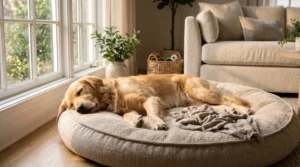
One mistake many dog owners make is assuming that a happy dog needs constant entertainment.
Dogs need plenty of sleep and downtime. Puppies, senior dogs, and some breeds may sleep for much of the day.
After a walk, breakfast, and playtime, encourage your dog to settle down somewhere comfortable.
A dedicated resting area can make a big difference. Choose a quiet spot with a comfortable bed where your dog can relax without being disturbed constantly.
If your dog is sleeping, resist the temptation to wake them up just because you want to play.
Rest is part of a healthy routine, not a sign that you're neglecting your dog
7. Plan a Midday Bathroom Break and Activity
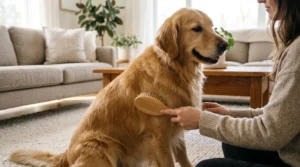
Your midday routine will depend heavily on your lifestyle.
If you're working from home, taking a short break to let your dog outside may be relatively easy. If you're away for several hours, you'll need to plan for your dog's bathroom needs and companionship.
Adult dogs vary in how long they can comfortably wait to go outside. Puppies, senior dogs, and dogs with medical or behavioral needs generally require more frequent opportunities.
What should you do during a midday break?
A midday break can include:
- A short bathroom trip
- A gentle walk
- Fresh water
- A few minutes of play
- A quick training session
- Sniffing or enrichment activities
If you work outside your home, consider arranging a trusted dog walker, pet sitter, family member, or another appropriate care option when your dog needs a break.
Leaving a dog alone for an extended period without considering their age, toilet needs, exercise, and emotional well-being isn't a good long-term routine.
If your dog stays home alone, prepare a safe environment. Remove dangerous objects, secure cords, keep harmful foods out of reach, and provide appropriate toys.
8. Keep Your Dog's Environment Clean
A clean environment contributes to your dog's comfort and helps you maintain better hygiene around the home.
You don't need to deep-clean everything every day, but a few small habits can prevent messes from becoming bigger problems.
Daily cleaning tasks
- Wash or rinse food bowls after meals.
- Check the water bowl and refill it.
- Pick up waste from the yard.
- Remove dirty bedding if necessary.
- Clean muddy paws after outdoor walks.
- Wipe visible dirt from your dog's coat.
- Put toys away when they're damaged or dirty.
Pay attention to toys, especially those your dog chews regularly. Damaged toys can create choking hazards or expose your dog to swallowed pieces.
Keep cleaning products, medications, and household chemicals stored safely away from curious noses.
A clean home doesn't need to look like a pet-free showroom. A few consistent habits will make life easier for both you and your dog.
Final Thoughts
A healthy daily dog care routine isn't about being the perfect pet parent or following a schedule down to the minute. It's about showing up consistently and making sure your dog receives the care, attention, exercise, nutrition, and affection they need.
Some days will be more organized than others. You might take a longer walk on the weekend, spend a rainy afternoon playing indoor games, or adjust your routine because you're busy.
That's normal.
Your dog doesn't need an elaborate lifestyle to be happy. They need a safe home, nutritious food, clean water, regular exercise, mental stimulation, comfortable rest, appropriate healthcare, and a person who genuinely cares about them.
Start with a few simple habits, build consistency, and adjust your routine as your dog grows and their needs change.
Because at the end of the day, the best daily dog care routine is the one that keeps your furry friend healthy, happy, loved, and excited to wake up beside you tomorrow.
Frequently Asked Questions
How many times a day should I walk my dog?
Many adult dogs benefit from two walks a day, but the ideal frequency and duration depend on their age, breed, health, energy level, and other activities.
What is the best daily routine for a dog?
A balanced routine generally includes bathroom breaks, regular meals, exercise, play, mental stimulation, grooming, rest, and quality time with their owner.
How long can a dog stay home alone?
It depends on the individual dog, age, training, health, and toilet needs. Puppies and dogs with special needs generally require more frequent care. Regularly leaving a dog alone for extended periods without suitable breaks is not recommended.
Should I feed my dog before or after a walk?
Both arrangements can work, depending on your dog's schedule and needs. Avoid vigorous exercise immediately before or after a large meal, particularly in dogs at risk of bloat. Ask your veterinarian about appropriate timing if your dog has specific health risks.
How much playtime does a dog need every day?
There is no universal number. Some dogs enjoy several short play sessions, while others need more structured activity. Combine physical play, sniffing, training, and enrichment according to your dog's individual needs.
How do I keep my dog happy when I am busy?
Provide appropriate exercise before busy periods, safe enrichment toys, comfortable resting spaces, predictable bathroom breaks, and quality interaction when you're available. If you're away for long periods, arrange additional care when needed.
Do dogs need a routine on weekends?
Maintaining familiar feeding, bathroom, and bedtime habits can help dogs feel secure. However, you can comfortably include new activities, outings, and adventures as long as their basic needs remain covered.
What is the most important part of a daily dog care routine?
Consistency in meeting your dog's basic needs is the most important thing. Nutritious food, fresh water, appropriate exercise, bathroom opportunities, rest, healthcare, and companionship form the foundation of good dog care.